
01
Colour
The single most important value factor. Judged by hue, tone (lightness) and saturation (intensity).
What to look for
Even, vivid colour with no grey or brown masking and minimal colour zoning.
Gem Guide
Everything you need to understand, compare and choose a natural Ceylon sapphire with confidence, from colour and clarity to certification and care.
A sapphire's value is shaped by a handful of qualities that experts assess together: colour, clarity, cut, carat weight, origin and whether the stone has been treated. Understanding each one helps you see past marketing and recognise a truly exceptional gem.
This guide walks through how professionals grade sapphires, what makes Sri Lankan stones unique, and the questions worth asking before you buy.
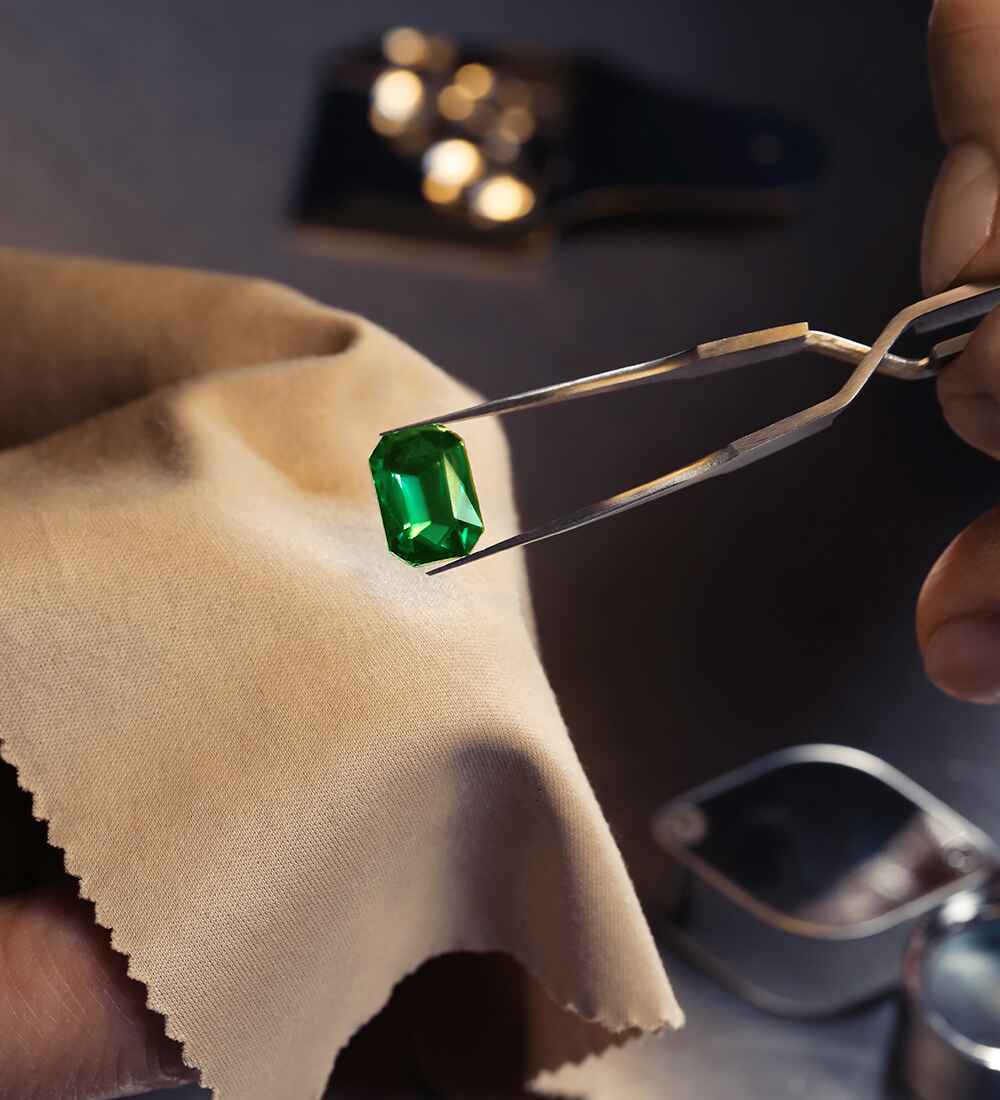
Gemmologists assess every sapphire on four core qualities. For coloured gemstones, colour carries far more weight than in diamonds.
The single most important value factor. Judged by hue, tone (lightness) and saturation (intensity).
Even, vivid colour with no grey or brown masking and minimal colour zoning.
Sapphires naturally carry inclusions such as silk, needles and fingerprints. Most fine stones are eye-clean.
No inclusions visible to the eye that reduce brilliance or durability.
Good proportions return light evenly across the face of the stone, avoiding dark areas and 'windows'.
Symmetry, a lively face-up appearance and a balanced depth for its shape.
Weight, not size. Sapphire is denser than diamond, so a 1 ct sapphire looks slightly smaller than a 1 ct diamond.
Price per carat rises sharply past milestone weights such as 2, 3 and 5 carats.
Sapphire is the gem variety of corundum in every colour except red, which is called ruby. Sri Lanka is one of the few sources that produces nearly the full rainbow.
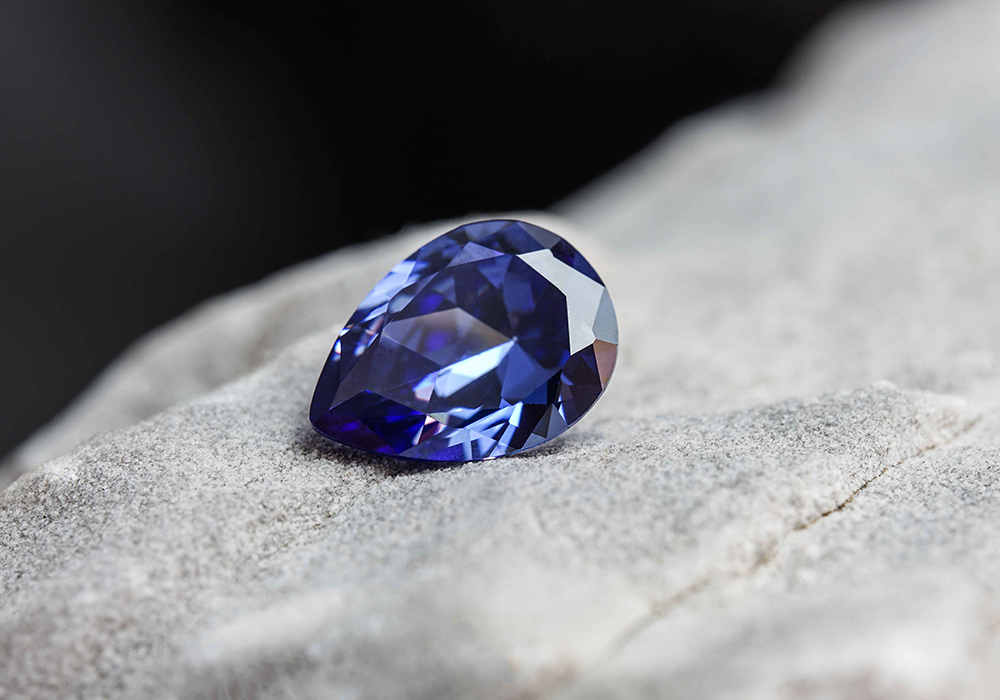 Cornflower to royal blue
The classic sapphire. Ceylon blues are prized for their bright, lively 'cornflower' tone that stays vivid in any light.
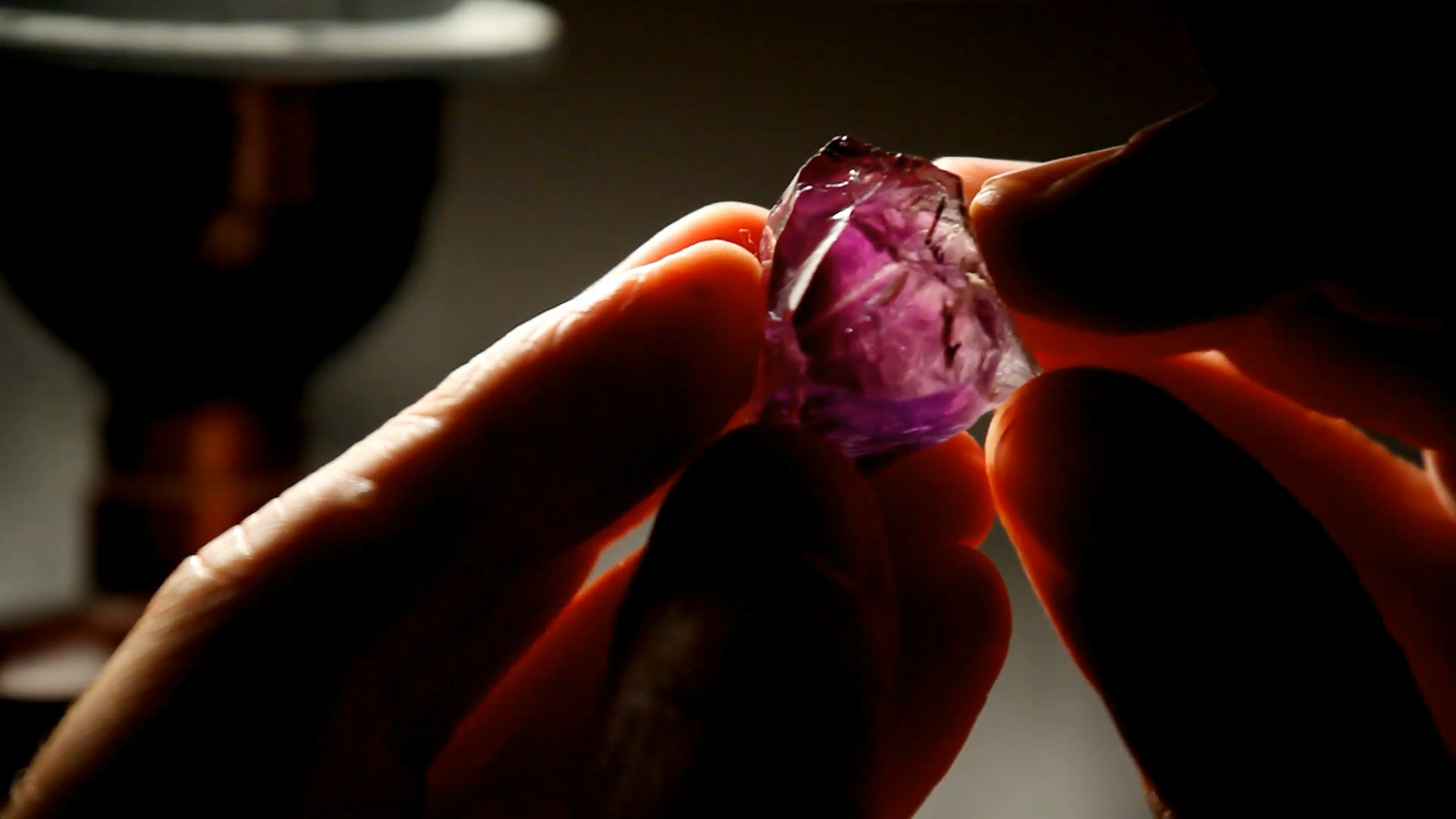 Pinkish orange / orangey pink
Named after the Sinhalese word for lotus blossom. A delicate sunset blend of pink and orange, and one of the rarest sapphires.
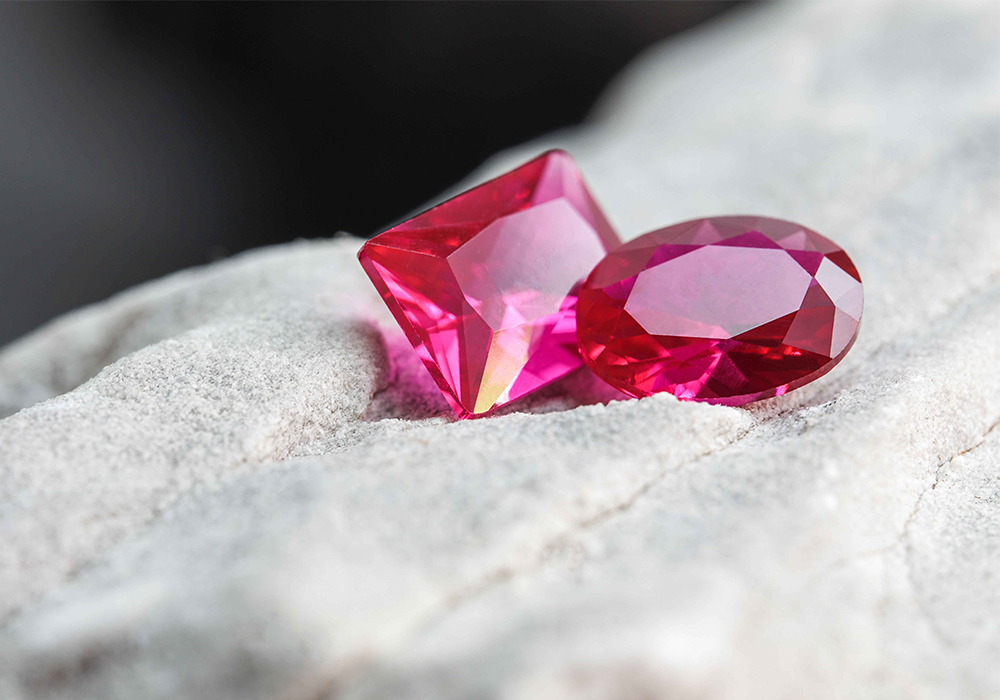 Soft blush to hot pink
Ranges from pastel to vivid fuchsia. Sri Lanka produces some of the brightest, cleanest pink sapphires in the world.
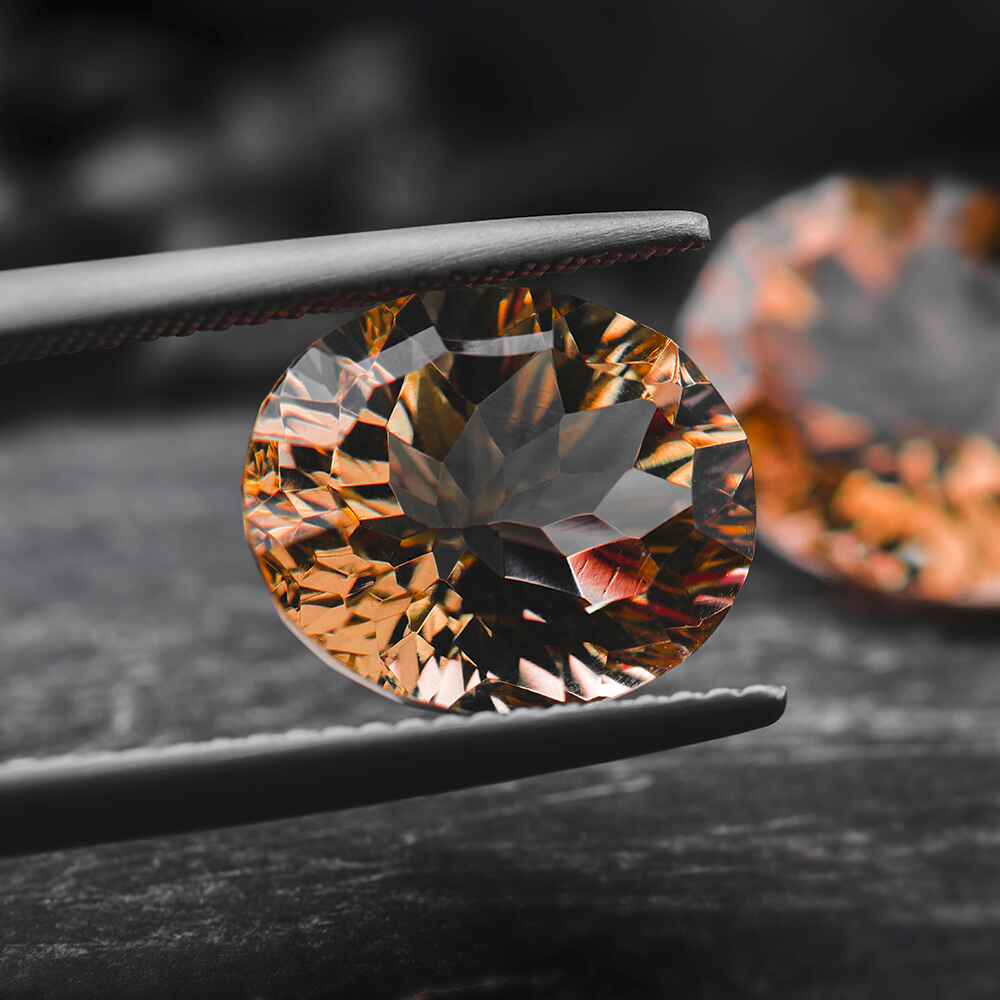 Lemon, golden and champagne
Warm, brilliant stones that sparkle beautifully. Strong, pure golden yellows from Ceylon are especially sought after.
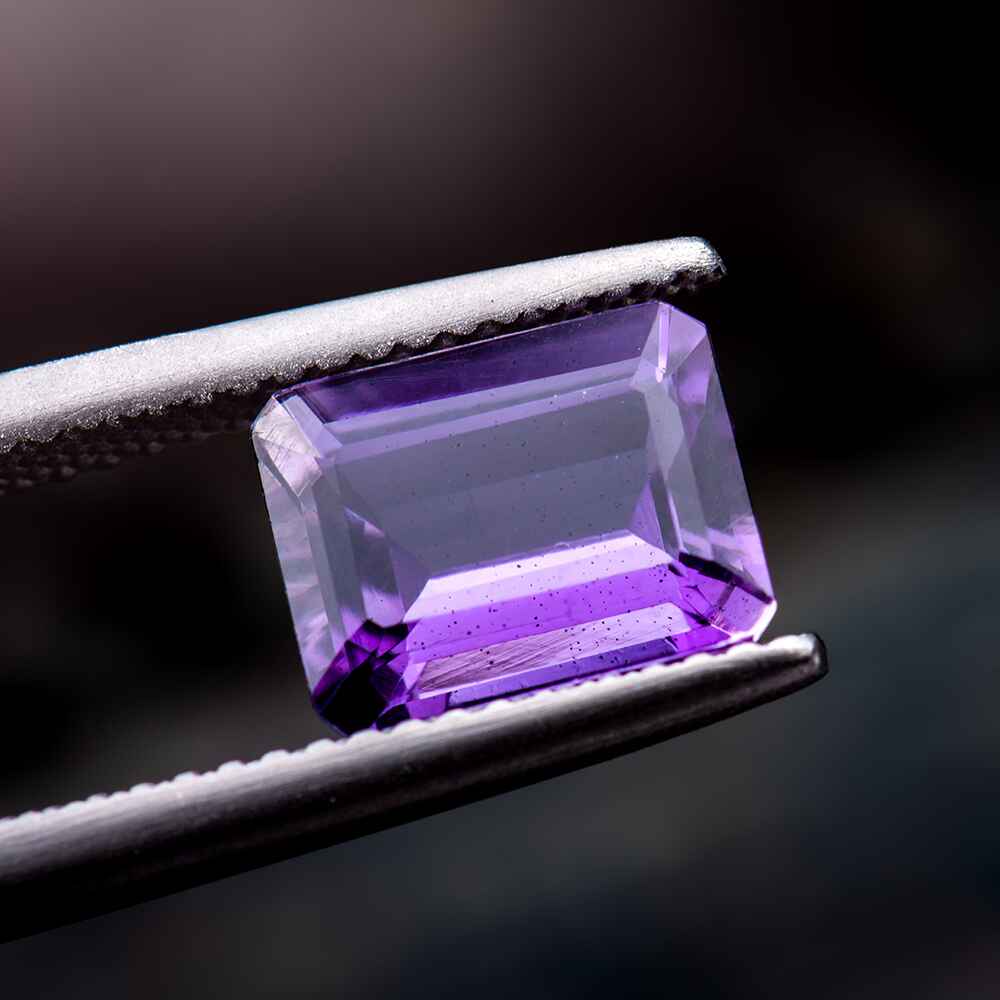 Lavender to violet
Elegant and less common, purple sapphires can shift subtly in tone between daylight and indoor lighting.
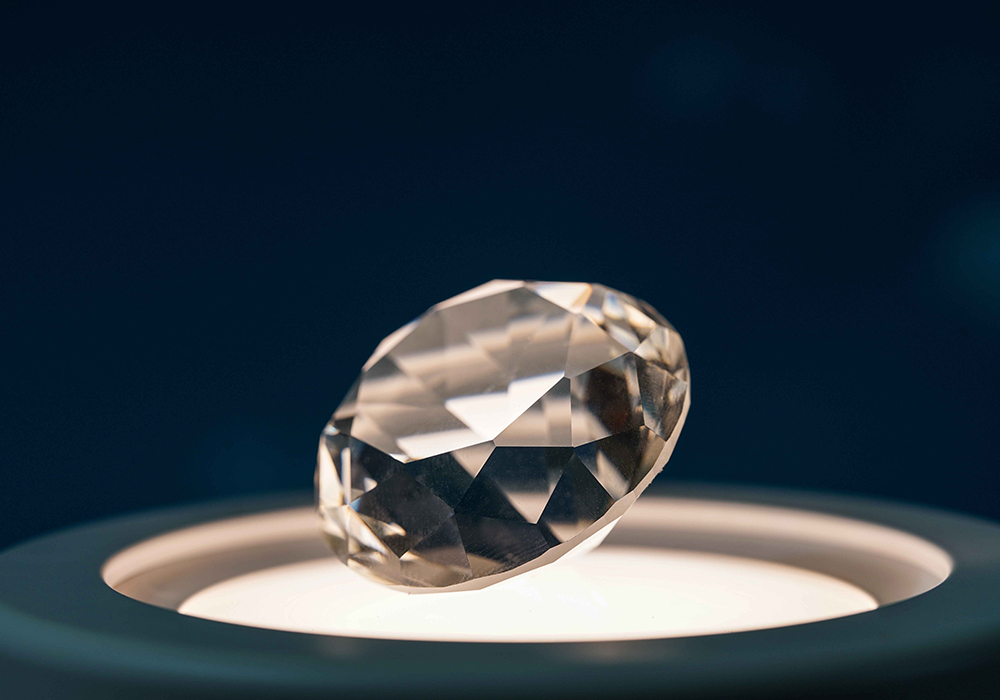 Colourless
A durable, natural alternative to diamond with a softer, more silvery sparkle. Ideal for accent stones.
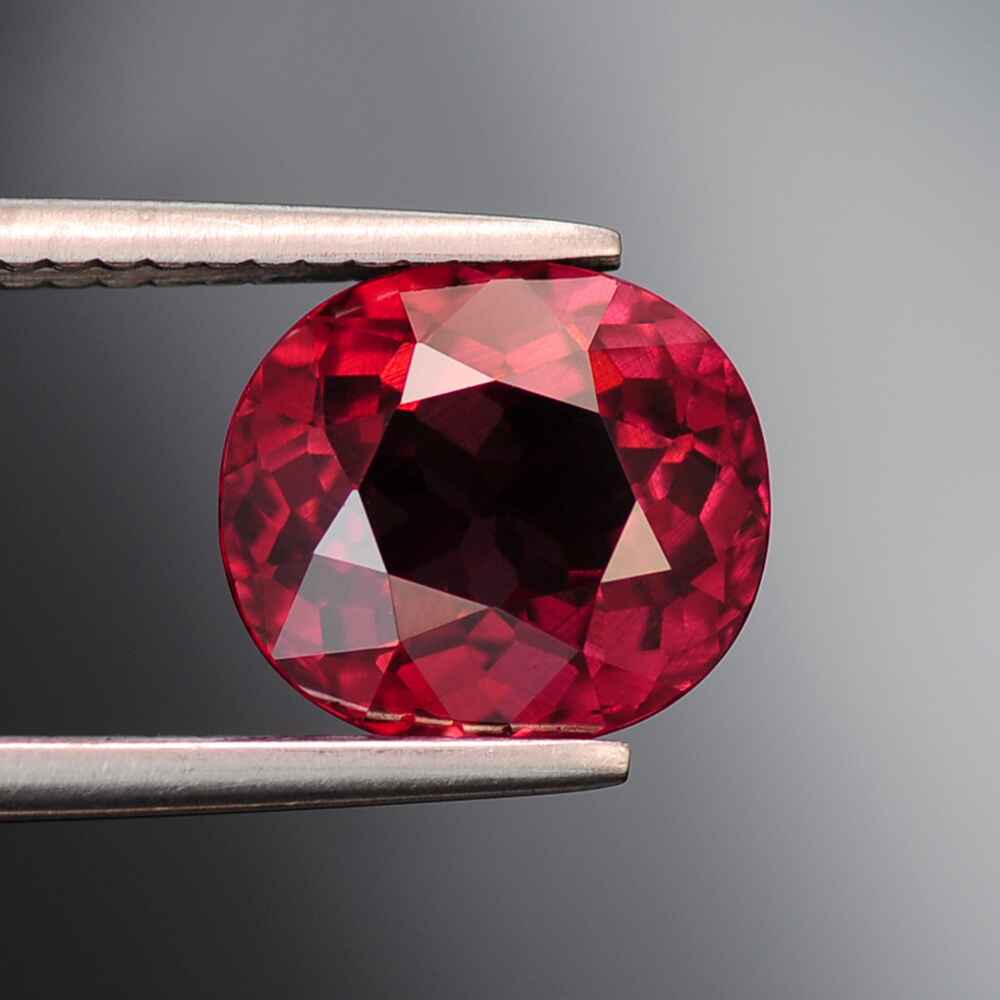 Pinkish red to pure red
Red corundum is called ruby, the sapphire's sibling. Ceylon rubies tend toward a bright, slightly pinkish red.
See these colours in real stones
Explore nowTwo stones of the same hue can differ greatly in value. The most desirable blues sit in the middle of the scale: rich and saturated, but not so dark that the stone looks black indoors.
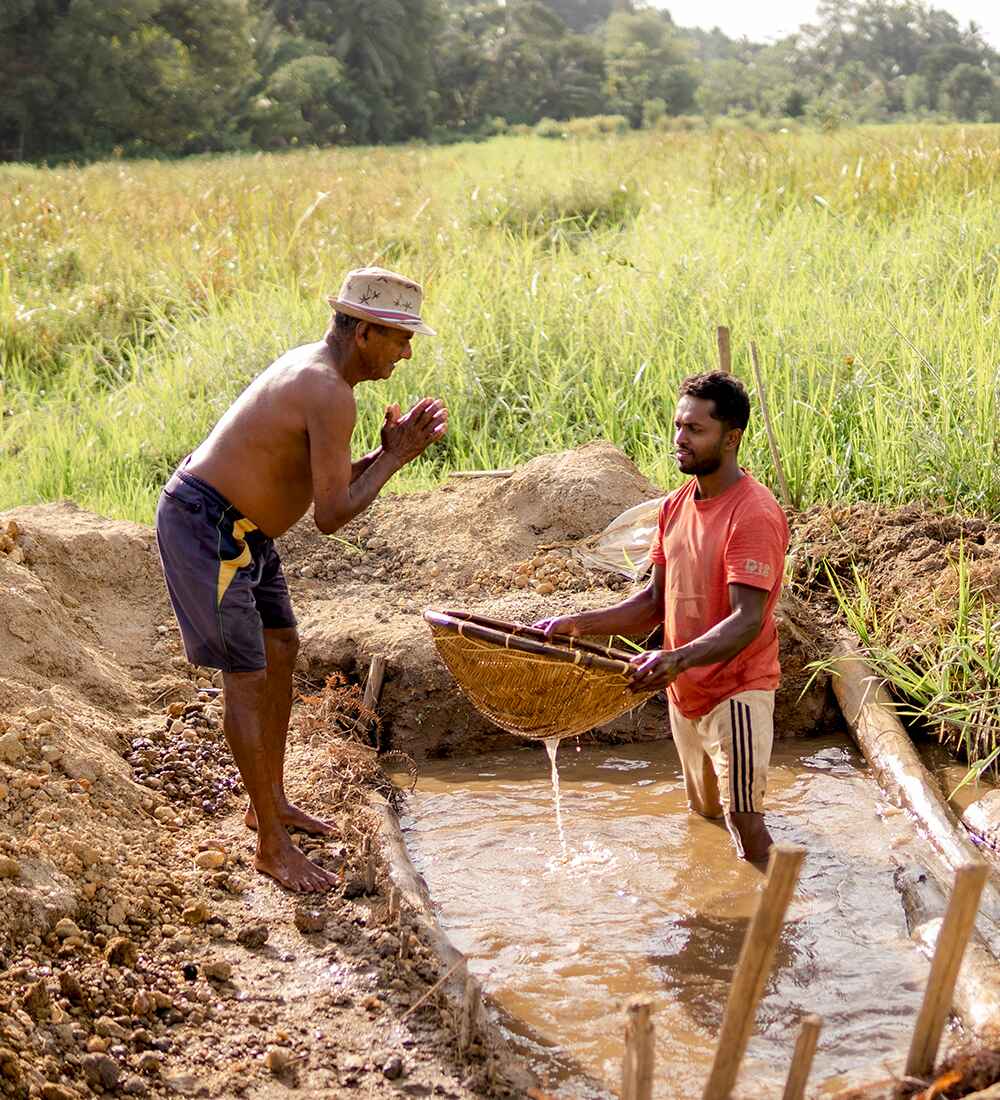
Sri Lanka, historically known as Ceylon, has supplied sapphires to royalty and traders for more than two millennia. Most stones come from alluvial gem gravels around Ratnapura, whose name means 'City of Gems'.
Ceylon sapphires are celebrated for their brightness. Lower iron content gives them a lighter, livelier tone than many other origins, and they often show excellent clarity in larger sizes.
Most sapphires on the market are heated to improve colour or clarity. Disclosure matters: an honest seller always states whether and how a stone has been treated.
| Category | What it means | Stability | Value impact |
|---|---|---|---|
| Unheated (natural)Our Focus | Colour and clarity exactly as formed in nature. Only cut and polished. | Permanent | Highest premium |
| Heat treated | Traditional heating to improve colour or dissolve silk. Widely accepted in the trade. | Permanent | Standard market value |
| Diffusion treated | Elements such as beryllium are diffused into the stone to add colour. | May be surface-limited | Significantly lower |
| Glass / fracture filled | Fractures filled with glass to improve apparent clarity. | Can be damaged by heat or chemicals | Lowest |
Unheated (natural)
Colour and clarity exactly as formed in nature. Only cut and polished.
Heat treated
Traditional heating to improve colour or dissolve silk. Widely accepted in the trade.
Diffusion treated
Elements such as beryllium are diffused into the stone to add colour.
Glass / fracture filled
Fractures filled with glass to improve apparent clarity.
Coloured gemstones are usually cut to make the most of the rough crystal and its colour, so shapes like oval and cushion are especially common.
Most popular sapphire shape; flatters colour and retains weight.
Soft square outline with a romantic, vintage character.
Maximum brilliance; requires more rough to cut.
Step-cut facets that showcase clarity and depth of colour.
Elegant teardrop, ideal for pendants and drop earrings.
A meaningful shape that needs precise symmetry.
A report from a respected gemmological laboratory confirms what you are buying. For significant stones, always ask for one, and check that the report number can be verified with the lab.
What a lab report confirms
Widely recognised laboratories
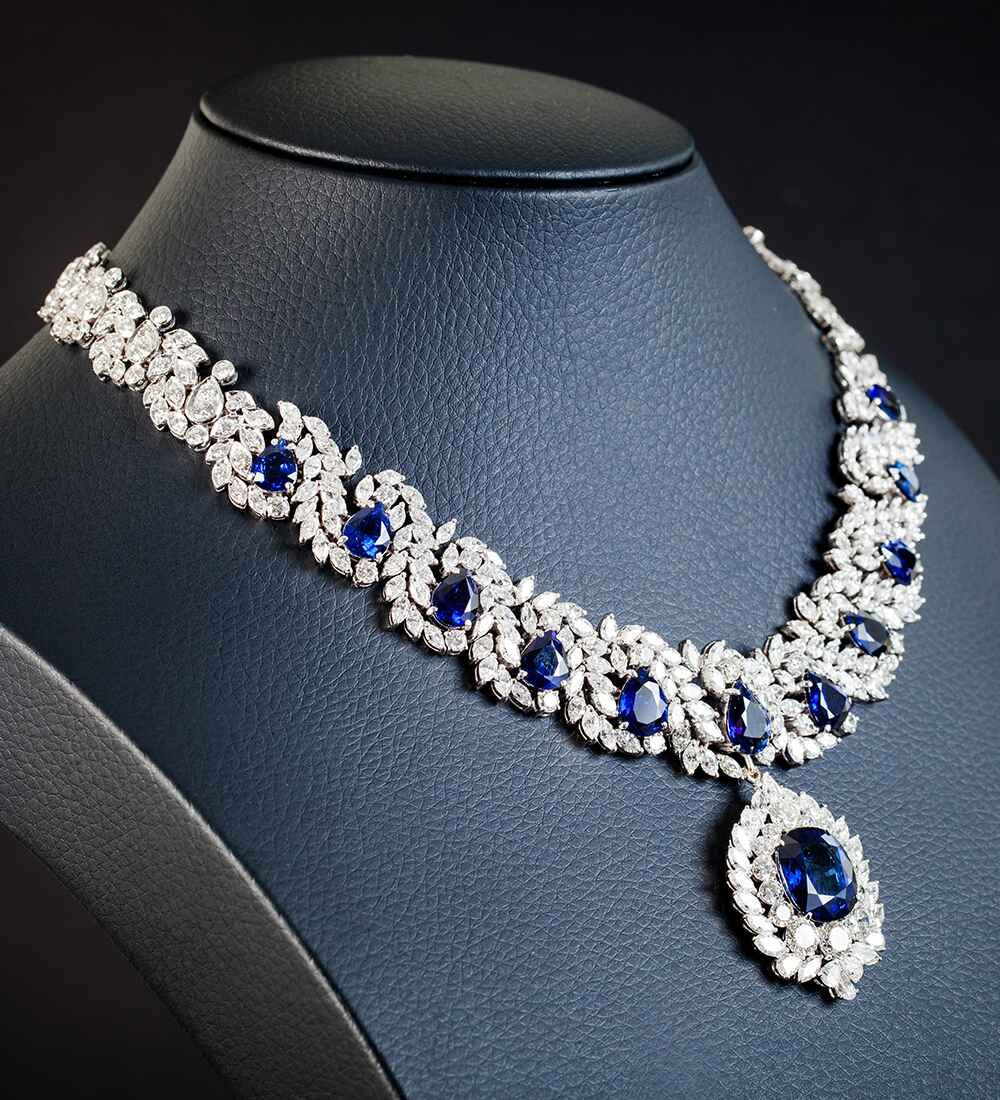
Sapphires are tough, but a little care keeps both the stone and its setting looking their best.
Decide on colour, size and budget, then rank which matters most to you.
View the stone in daylight and indoor light. Colour drives value more than size.
Request clear disclosure of heating or any other enhancement.
Confirm identity, treatment status and, for top stones, origin.
Inspect the stone in person or via detailed video before you commit.
Yes. Unheated stones with fine colour are much rarer than heated ones, so they command a significant premium, particularly in larger sizes and top colours.
For blue sapphires, a rich, saturated royal to cornflower blue without grey or dark zones is generally most valued. Ultimately the best colour is the one you love.
Yes. At 9 on the Mohs scale, sapphire is one of the hardest natural gemstones, second only to diamond, making it ideal for engagement rings and daily wear.
Visual inspection is not enough. Only a qualified gemmologist or laboratory can reliably separate natural, synthetic and treated stones, which is why certification matters.
It is the laboratory's opinion that the stone was mined in Sri Lanka, based on its inclusions and chemistry. Origin can influence value and collectability.
Our gem specialists will guide you through colour, size and certification to find the sapphire that is right for you.

Nordic Ceylons
Online